

Don’t Stop! 15 Things About Outside Window Repair We’re Tired Of Hearing
Outside Window Repair: A Comprehensive Guide
Windows are more than simply openings in a wall; they are vital elements of a home’s visual and performance. Over time, however, they can suffer from wear and tear, needing repair to maintain their integrity and effectiveness. Whether it’s a small concern like a stuck window or a more substantial problem like a cracked pane, knowing how to attend to these issues can save house owners time and money. This thorough guide will walk you through the procedure of outside window repair, from identifying common issues to carrying out the required fixes.
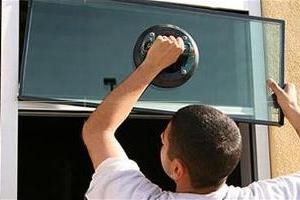
Determining Common Window Issues
Before diving into the repair procedure, it’s crucial to determine the specific problems impacting your windows. Here are some common issues house owners frequently come across:
1. Cracked or Broken Glass
- Causes: Impact from flying particles, accidental damage, or thermal tension.
- Symptoms: Visible cracks, shattered glass, or a rattling noise when the window is closed.
2. Dripping Windows
- Causes: Poor installation, worn-out weatherstripping, or harmed seals.
- Symptoms: Water discolorations on walls, drafts, or condensation between panes.
3. Stuck Windows
- Causes: Paint buildup, inflamed wood, or misaligned frames.
- Symptoms: Difficulty in opening or closing the window.
4. Drafty Windows
- Causes: Gaps in the window frame, harmed weatherstripping, or poor insulation.
- Symptoms: Cold drafts, increased energy expenses, or trouble maintaining a consistent temperature.
5. Foggy Windows
- Causes: Broken seals in double-pane windows, enabling moisture to go into the space in between the panes.
- Signs: Visible fog or condensation in between the glass panes.
Tools and Materials Needed
Before starting any repair, gather the needed tools and materials. Here’s a list to get you started:

-
Tools:
- Screwdriver
- Hammer
- Sculpt
- Putty knife
- Caulk weapon
- Silicone caulk
- Weatherstripping
- Security goggles
- Work gloves
-
Products:
- Replacement glass (if required)
- Glazing compound
- Paint (if repainting is required)
- Window sealant
- New weatherstripping
Step-by-Step Guide to Outside Window Repair
1. Security First
- Use protective gear: Always use security goggles and work gloves to secure yourself from glass fragments and other risks.
- Deal with a steady surface area: Ensure you have a stable ladder or platform to work from, particularly when reaching high windows.
2. Assess the Damage
- Check the window: Carefully examine the window for any visible damage, such as cracks, gaps, or loose parts.
- Recognize the issue: Determine the specific problem you require to attend to, whether it’s a split pane, a leaky seal, or a stuck window.
3. Cracked or Broken Glass
- Remove the broken glass: Use a putty knife to gently pry out the old glazing compound around the broken pane. Carefully eliminate the glass pieces.
- Prepare the frame: Clean the window frame and remove any staying glazing compound or debris.
- Install the brand-new glass: Place the new glass pane in the frame, guaranteeing it fits comfortably. Apply a fresh layer of glazing compound around the edges to protect the glass.
- Permit to dry: Let the glazing substance dry according to the manufacturer’s guidelines before painting or using the window.
4. Dripping Windows
- Recognize the source: Check for gaps or damaged seals around the window frame.
- Apply caulk: Use a caulk gun to use a bead of silicone caulk around the spaces. Smooth the caulk with a damp finger or a caulk smoothing tool.
- Replace weatherstripping: If the weatherstripping is worn, eliminate the old strips and install new ones. Ensure they fit tightly to prevent air leaks.
5. Stuck Windows
- Lubricate the tracks: Apply a silicone-based lube to the window tracks to decrease friction.
- Examine for obstructions: Remove any paint accumulation or debris that may be avoiding the window from moving smoothly.
- Adjust the window: If the window is misaligned, you might need to change the hinges or the frame. This often involves loosening and retightening screws or shimming the window frame.
6. Drafty Windows
- Seal spaces: Use weatherstripping to seal gaps around the window frame. There are various kinds of weatherstripping, including foam tape, V-strip, and spring bronze.
- Apply window film: For extra insulation, think about applying a window film to the glass. This can assist lower heat loss and drafts.
7. Foggy Windows
- Remove the old seal: If you have a double-pane window with a damaged seal, you will need to remove the old seal and replace it. This can be a complicated procedure and may require expert assistance.
- Install a new seal: Apply a brand-new sealant around the edges of the window panes. Guarantee the seal is airtight to avoid wetness from entering.
8. Final Touches
- Paint or stain: If you eliminated paint or plan to change the color of the window frame, use a fresh coat of paint or stain.
- Check the window: Once all repairs are total, test the window to guarantee it runs efficiently and is airtight.
Frequently asked questions
1. How often should I check my windows for damage?
- Response: It’s a great idea to check your windows a minimum of as soon as a year, ideally in the spring or fall. This can help you capture and door fix address problems before they become more serious.
2. Can I repair a cracked window myself, or should I call a professional?
- Response: For small cracks, you can often repair the window yourself utilizing the actions laid out above. However, if the crack is comprehensive or the window is a specialty type (e.g., tempered or laminated glass), it’s best to call an expert.
3. What is the very best type of caulk to use for sealing window gaps?
- Answer: Silicone caulk is generally the very best choice for sealing window spaces because it is flexible, durable, and resistant to weathering. It also adheres well to a variety of surface areas.
4. How can I avoid my windows from sticking in the future?
- Answer: Regular maintenance is crucial. Keep the window tracks clean and lubricated, and prevent painting over the moving parts. Furthermore, make sure that the window is appropriately aligned and not obstructed by any particles.
5. What should I do if my window is still breezy after using weatherstripping?
- Response: If your window is still breezy after applying weatherstripping, there might be gaps in the setup. Check the weatherstripping for any areas that are not sealing effectively and adjust or replace as required. If the issue continues, think about consulting a professional.
Outdoors window repair is a job that can significantly improve the convenience and energy efficiency of your home. By identifying common issues and following the actions described in this guide, you can tackle a lot of window repairs yourself. However, if the problem is intricate or beyond your comfort level, don’t hesitate to seek professional assistance. With the right tools, products, and a bit of patience, you can keep your windows in top condition for many years to come.
