

See What Replacement Fascia Boards Tricks The Celebs Are Using
Understanding Replacement Fascia Boards: A Comprehensive Guide
Fascia boards play a crucial function in the structural integrity and aesthetic appeal of any building. These horizontal boards are set up at the edge of the roof, functioning as the primary support system for the lower edge of the roofing system and offering a tidy finish to the roofline. When these boards become damaged or worn with time, it might become needed for house owners and building managers to consider replacement fascia boards. This article intends to supply in-depth insights into fascia boards, the replacement process, the various types of products readily available, and often asked concerns.
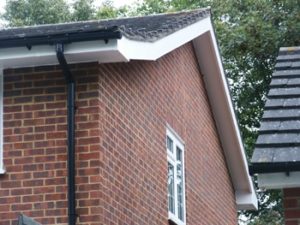
Significance of Fascia Boards
Fascia boards serve several important functions that contribute to the durability and functionality of a building.

- Protection: They safeguard the underlying structure from wetness invasion, pests, and the components.
- Assistance: They support the lower edges of the roof, consisting of the roofing shingles and sheathing.
- Visual Appeal: Fascia boards contribute considerably to the overall appearance of a structure, helping to develop a sleek and ended up appearance.
Indications It’s Time for Replacement
Determining when replacement fascia boards are called for is vital. Here are some typical signs indicating the need for replacement:
- Visible Rot or Decay: Areas of staining or soft spots can indicate moisture damage.
- Cracks or Splits: Visible damage can cause more deterioration if not resolved instantly.
- Bug Infestation: Evidence of pests like carpenter ants or termites may signify underlying damage.
- Our Outdated Appearance: Warping or fading paint can detract from a residential or commercial property’s curb appeal.
- Gutter Issues: Inconsistent drainage from gutters can be credited to damaged fascia boards.
Types of Fascia Board Materials
When considering replacement fascias, different products offer differing advantages and drawbacks. Understanding these choices can assist property owners make informed decisions. Below is a breakdown of typical materials:
| Material | Advantages | Drawbacks |
|---|---|---|
| Wood | Aesthetic appeal, natural appearance | High maintenance, susceptible to rot |
| Vinyl | Low maintenance, resistant to moisture | Can fade in time, limited color choices |
| Aluminum | Resilient, fireproof | May dent or scratch, less visual variety |
| Fiber Cement | Very durable, mimics wood look | Much heavier, can be more pricey |
| PVC | Highly resistant to weather and rot | Greater upfront expense, might look less natural |
The Replacement Process
Replacing fascia boards is a task that needs cautious planning and execution. It can be carried out as a DIY task or contracted to a professional. Here’s a detailed guide for homeowners considering a DIY approach:
Tools and Materials Needed
- Replacement fascia boards
- Measuring tape
- Circular saw or miter saw
- Ladder
- Level
- Nails or screws
- Hammer or drill
- Paint or wood surface (if required)
Steps to Replace Fascia Boards
- Inspection and Measurement: Inspect existing fascia, measuring its length and depth.
- Elimination: Carefully eliminate broken fascia boards, making sure no damage occurs to the roof or eaves.
- Preparation: After elimination, look for any underlying issues like rot or mold on the rafters.
- Cutting Replacement Boards: Cut brand-new boards to size, based upon measurements taken.
- Installation: Fit the new boards in location, ensuring it lines up firmly with the roofing.
- Completing Touches: If wooden boards are used, use a protective surface or paint.
Maintenance Tips for Fascia Boards
To optimize the life expectancy of replacement fascia boards, think about the following maintenance ideas:
- Regularly check for indications of damage.
- Tidy rain gutters to avoid obstruction and pooling water.
- Paint or stain wooden fascias periodically to avoid moisture-related concerns.
- Cut nearby trees to reduce debris accumulation.
Expense Considerations
Prices for fascia board replacement varies based on materials, labor, and the total condition of the existing structure. Here’s a variety of expenses homeowners can prepare for:
- DIY Costs: If undertaking the project, expect to invest in between ₤ 100 and ₤ 300 on products.
- Professional Installation: Hiring a contractor can range from ₤ 300 to ₤ 1,000, depending on job scope and products chosen.
Aspects Influencing Cost
- Product Choice: Different products featured differing price.
- Labor: Hiring knowledgeable experts sustains labor costs.
- Geographic Location: Prices may vary based upon area and demand.
- Existing Damage: If underlying structures need repair, expenses will increase.
FAQs about Replacement Fascia Boards
1. How frequently should fascia boards be changed?
Fascia boards can last anywhere from 10 to 50 years depending on the product and maintenance. Regular assessments can suggest when replacements are needed.
2. Can I paint my fascia boards?
Yes, painting is an excellent method to protect wooden fascia boards from wetness while enhancing curb appeal.
3. What is the very best material for fascia boards?
The best product depends on the residential or commercial property and individual choice. Vinyl is popular for its low maintenance, while wood is preferred for its aesthetic appeal.
4. Can I replace fascia boards in winter?
While it is possible to replace fascia boards in winter, moderate temperatures are more beneficial for dealing with various materials and making sure appropriate adhesion and sealing.
5. Should I employ a professional for fascia board replacement?
While many select a DIY method, consulting with a professional might be advantageous for those lacking experience, especially for examining underlying damage.
Replacement fascia boards play an important function in the upkeep and look of a home. Understanding the signs of damage, types of materials readily available, and the replacement process is necessary for any house owner. By investing time and resources into keeping and replacing fascia boards, residential or commercial property owners can make sure the security and appeal of their homes for years to come.
