

The 3 Greatest Moments In Local Guttering History

The Importance of Local Guttering: A Comprehensive Guide
Guttering plays an essential role in the maintenance of residential and commercial homes, safeguarding structures from prospective water damage. Local guttering is especially crucial for communities that experience heavy rainfall, snow, or extreme climate condition. This article digs into the significance of local guttering, its types, maintenance practices, and responses to frequently asked concerns.
Comprehending Guttering
Guttering is a system designed to redirect rainwater far from roofs, reducing the threat of leaks and water-related damage to structures. By channeling the water safely to storm drains or other drainage systems, guttering protects foundations, walls, and landscaping.
Types of Guttering
There are a number of kinds of gutters readily available, each providing various advantages:
-
K-style Gutters:
- Popular for houses.
- Include a flat bottom and an ornamental front.
- Readily available in different materials, including vinyl, aluminum, and copper.
-
Half-round Gutters:
- Semicircular fit, making them a visually pleasing option.
- Typically seen in historic homes.
- Direct water circulation effectively but might require more maintenance.
-
Box Gutters:
- Rectangular and built into the roof’s structure.
- Designed to handle heavy rains.
- Best for commercial buildings.
-
Seamless Gutters:
- Custom-made from a single piece of product.
- Minimize leakages and enhance resilience.
- Require professional installation but deserve the investment.
Importance of Local Guttering Systems
Local guttering systems are designed to accommodate the particular weather condition patterns and environmental conditions of a specific location. Here are some essential advantages of having localized guttering:
-
Customization: Local authorities or contractors can customize guttering systems to suit the special needs of the area, thinking about elements like average rains and snowfall.
-
Effective Water Management: A well-designed local gutter system effectively channels water far from homes, avoiding flooding and erosion in the surrounding location.
-
Cost-Effectiveness: Investing in localized guttering lowers the need for extensive repairs or replacements brought on by inappropriate drainage, conserving homeowners and companies money in the long run.
Key Components of Local Guttering
Understanding the components of a guttering system is essential for proper maintenance and functionality.
Elements:
-
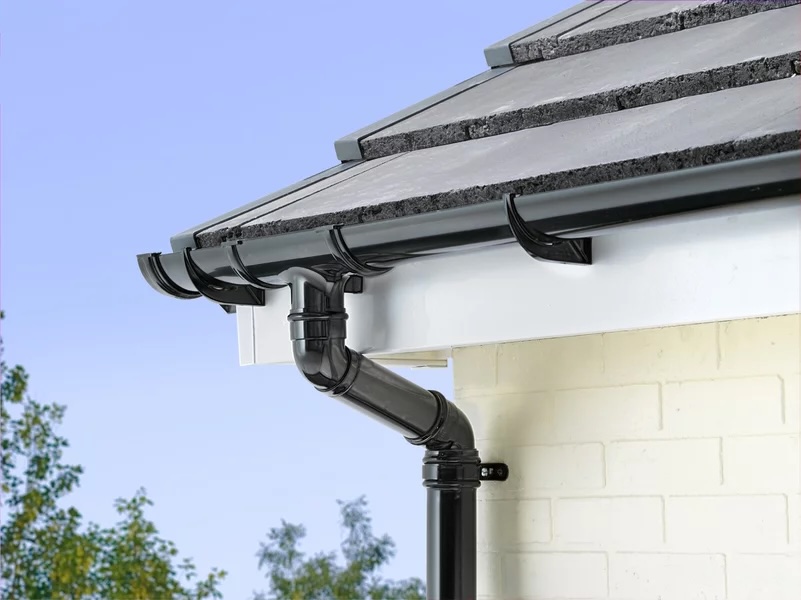
Gutter Hooks/Brackets: Hold gutters in place and should be installed correctly to avoid sagging.
-
Downspouts: Direct water from the gutters down to the ground or drainage system.
-
End Caps: Seal completions of gutters, preventing leaks.
-
Gutter Guards: Prevent leaves and debris from accumulating, lowering the need for regular cleaning.
-
Elbows: Connect straight areas of downspouts for directional modifications.
Maintenance of Local Guttering Systems
Routine maintenance of gutter systems is crucial to make sure effective water circulation. Disregarding gutter maintenance can cause obstructions, overflows, and serious damage. Here are some necessary maintenance suggestions:
-
Regular Cleaning: Clean gutters a minimum of twice a year, particularly in the spring and fall. Get rid of leaves, twigs, and debris that can block the flow of water.
-
Examine for Leaks and Rust: Inspect for any signs of leaks or rust, particularly in metal gutters. Seal any leakages immediately with proper sealants.
-
Inspect Hangers and Brackets: Ensure that all brackets and wall mounts are securely attached. Change any broken components to preserve the stability of the gutter system.
-
Expect Pests: Ensure that gutters are devoid of nests that might obstruct water circulation.
-
Examine the Drainage System: Make sure that downspouts direct water a minimum of 3 feet far from the foundation of the structure.
Frequently Asked Questions about Local Guttering
Q: How typically should I clean my gutters?A: It is recommended to clean your gutters a minimum of two times a year, preferably in the spring and fall. Furthermore, if you have numerous trees near your home, you might require to clean them more frequently.
Q: What are the indications that my gutters require repair or replacement?A: Look for sagging or retreating from your home, rust areas, leakages or fractures, excessive water accumulation around the structure, peeling paint on the outside of your home, or mold development inside.
Q: Can I set up gutters myself?A: While DIY installation is possible, it is suggested to seek advice from with a professional. Incorrect installation can lead to incorrect drainage and further problems.
Q: What materials are best for gutters?A: The best material for your gutters depends upon your budget plan, visual preferences, and environment. Aluminum and vinyl are popular for their toughness and low maintenance, while copper is preferred for its beauty however comes at a higher cost.
Q: How do gutter guards work?A: Gutter guards are created to filter out particles while enabling water to stream freely, decreasing the need for cleaning and maintenance.
Guttering is a critical part of property maintenance, especially for areas facing particular climatic obstacles. By comprehending the kinds of gutters, their parts, and the significance of regular maintenance, property owners can efficiently secure their financial investments. A well-kept guttering system not just improves residential or commercial property aesthetics but also contributes to sustainability by avoiding water damage and disintegration. In the long run, the investment in quality local guttering systems will yield substantial advantages in resilience and functionality, promoting the longevity of buildings in the neighborhood.
| Part | Description |
|---|---|
| Gutter Hooks | Assistance the gutters firmly to avoid sagging. |
| Downspouts | Channel water from the gutters to the ground. |
| End Caps | Prevent leakages by sealing the ends of gutters. |
| Gutter Guards | Block debris to lower cleaning frequency. |
| Elbows | Change the direction of downspouts as needed. |
By guaranteeing that local guttering systems are properly maintained and tailored to specific environmental needs, communities can accomplish higher resilience against possible water damage obstacles.
