You’ll Never Guess This Fascia Replacement’s Secrets
Understanding Fascia Replacement: A Comprehensive Guide
Fascia replacement is a necessary procedure in both construction and medical contexts. Whether examining its significance in building stability or its role in helping with recovery and recovery after an injury, the subject of fascia replacement warrants thorough exploration. This short article will offer an in-depth understanding of fascia replacement, addressing its applications, procedures, advantages, threats, and regularly asked concerns.
What is Fascia?
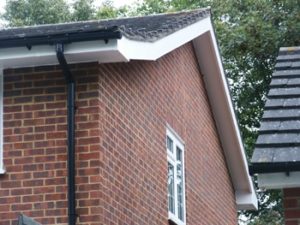
Fascia is connective tissue that surrounds muscles, bones, and organs in the body, forming a supportive structure. In construction, fascia refers to the board that caps completion of rafters, serving both visual and functional functions. Regardless of the differing contexts, fascia in both instances serves to supply assistance and defense.
Kinds of Fascia
| Type | Context | Description |
|---|---|---|
| Medical | Human Anatomy | Connective tissue covering muscles, bones, and organs. |
| Building and construction | Structure Design | Board or material covering the edge of a roofing system or eave. |
The Medical Context of Fascia Replacement
In the medical field, fascia replacement refers to the surgical repair of damaged connective tissue. This can happen due to injuries, surgeries, or chronic conditions that jeopardize the body’s structural integrity. Particular conditions might necessitate fascia replacement, including:
- Fasciitis: Inflammation of the fascia, typically leading to pain and tightness.
- Muscle injuries: Severe strains or tears can damage the associated fascia.
- Surgical intervention: Procedures such as hernia repairs might require restoration of fascia.
Procedure for Fascia Replacement
Fascia replacement surgery can vary significantly based upon the underlying condition and its severity. The general steps associated with the procedure typically include:
- Assessment: An extensive evaluation by a medical professional, including imaging tests like MRI or CT scans.
- Anesthesia: The patient is put under general or local anesthesia to make sure comfort throughout the procedure.
- Incision: A surgical incision is made to access the harmed fascia.
- Debridement: Removal of infected or broken tissue to prepare the site for repair.
- Fascia grafting: A graft may be gathered from other locations of the body (autograft) or sourced from donors (allograft) and after that affixed to the location needing repair.
- Closure: The cut is sutured, and postoperative care is talked about with the client.
Benefits and Risks
Advantages of Fascia Replacement
- Repair of Function: Correcting fascia damage can considerably enhance movement and function.
- Discomfort Relief: Many patients experience reduced discomfort and discomfort following the procedure.
- Prevention of Further Injury: A stable structural structure helps avoid additional injuries in the future.
Dangers Involved
- Infection: As with any surgical treatment, there is a threat of infection at the surgical site.
- Rejection of Graft: In the case of an allograft, the body may reject the transplanted tissue.
- Post-operative problems: Patients may experience problems such as blood embolisms or extreme scarring.
The Construction Context of Fascia Replacement
In building and construction and architecture, fascia serves both structural and aesthetic purposes, affecting the total look and energy efficiency of a building. Fascia replacement might be essential when this integral element is damaged due to weather, insects, or general wear and tear.
Reasons for Fascia Replacement in Construction
- Rot or Decay: Exposure to wetness can result in wood rot, compromising the structural integrity.
- Bug Infestation: Termites and other insects may damage fascia boards.
- Cosmetic Upgrades: Home and building owners may wish to replace fascia for aesthetic enhancements.
- Energy Efficiency: Modern fascia boards might offer better insulation and energy conservation.
Treatment for Construction Fascia Replacement
- Examination: Inspecting the existing fascia boards for damage.
- Elimination: Carefully removing the damaged fascia without affecting surrounding structures.
- Preparation: Prepping the surface for new boards, guaranteeing it is clean and dry.
- Installation: Securing the brand-new fascia boards in place, guaranteeing correct alignment and sealing.
- Completing Touches: Painting or staining to match the existing structure, if desired.
Benefits and Disadvantages
Advantages of Construction Fascia Replacement
- Boosted Curb Appeal: New fascia can considerably improve a residential or commercial property’s appearance.
- Increased Property Value: A well-kept outside can enhance residential or commercial property worth.
- Improved Protection: New fascia protects underlying structures from water damage and pests.
Downsides
- Expense: Replacement can be expensive, particularly if extensive damage is present.
- Labor-Intensive: The process requires experienced labor and time.
- Disturbance: The replacement procedure might momentarily disrupt the appearance and function of your property.
Fascia replacement, whether in a medical or construction context, serves an important role in restoring structural integrity and function. Understanding the respective procedures, benefits, threats, and factors for replacement can help individuals make notified choices tailored to their specific needs.
Regularly Asked Questions (FAQs)
-
What products are used for fascia replacement in building and construction?
- Common products consist of wood, vinyl, aluminum, and composite boards.
-
Is fascia replacement unpleasant?
- In a medical context, anesthesia is administered, minimizing discomfort during the treatment. Post-operative discomfort might differ by individual.
-
The length of time is the recovery period for fascia replacement surgery?
- Healing times can vary widely however generally vary from a few weeks to a number of months, depending upon the degree of the treatment and the individual’s health status.
-
Can I carry out fascia replacement myself?
- While some small repairs can be performed by property owners, it is a good idea to work with a professional for substantial damage to guarantee security and compliance with building codes.
-
How can I prevent fascia damage in my home?
- Routine maintenance, consisting of cleansing seamless gutters, checking for water damage and pests, can help prevent fascia damage.
This article has presented an extensive summary of fascia replacement, emphasizing its significance in both health care and building. For additional inquiries or specific situations, speaking with a professional is always recommended.