

Guide To French Door Carpenters: The Intermediate Guide For French Door Carpenters
Understanding the Role of French Door Carpenters: Craftsmanship and Expertise
French doors are more than just an entrance or exit; they are architectural functions that invite light and enhance the beauty of any space. To successfully install or repair these splendid doors, experienced artisans called French door carpenters are vital. This article digs into the competence required for French door woodworking, the advantages of professional installation, and some frequently asked concerns about this specialized trade.

What is a French Door Carpenter?
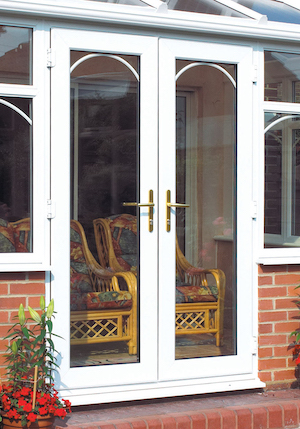
A French door carpenter is a customized carpenter trained in the design, installation, and repair of French doors. French doors are defined by their double door configuration with large glass panels, which allow for optimum light and visual connection between indoor and outside areas.
The Importance of Professional Installation
Although house owners might consider dealing with French door setups as a DIY task, the complexities included require the expertise of a certified French door carpenter. Here are a couple of factors why professional installation is important:
-
Expertise: French door carpenters possess a deep understanding of structure, products, and visual appeals that allows them to pick the best doors for a specific job.
-
Precision: The installation of French doors demands a high level of accuracy to make sure appropriate alignment and performance. This is especially important to prevent issues such as drafts or problem in opening and closing.
-
Product Selection: French door carpenters can advise the optimal materials– wood, fiberglass, or aluminum– based on the property owner’s preferences, budget, and particular climate conditions.
-
Code Compliance: Carpentry work involving door installation must follow local building codes and policies. Professional carpenters are familiar with these codes, thus ensuring that the installation is certified.
Advantages of French Doors
French doors provide a myriad of advantages, making them a popular option for house owners. Here are some noteworthy advantages:
-
Aesthetic Appeal: French doors substantially boost the visual appeal of a home, supplying a sophisticated shift between indoor and outside areas.
-
Natural Light: With their big glass panels, French doors allow for an abundance of natural light, making interiors feel brighter and more welcoming.
-
Adaptability: They can function as interior doors separating rooms or as exterior doors causing patios or gardens. This adaptability adds to their appeal.
-
Energy Efficiency: Modern French doors can be geared up with energy-efficient glass, which helps in controling indoor temperature levels and decreasing energy costs.
Secret Considerations for Choosing French Doors
When picking French doors, a number of aspects should be considered:
-
Material: Options usually consist of strong wood, fiberglass, or vinyl, each with its own set of advantages and drawbacks.
-
Design: French doors can be found in various designs– standard, modern, and even custom designs– to fit the aesthetic appeals of the home.
-
Size: The measurements of the doorway need to be taken into consideration to make sure a correct fit.
-
Hardware: Options for doorknobs, locks, and hinges can vary substantially, impacting both performance and style.
-
Glazing Options: From clear to frosted glass, or double-pane for insulation, the type of glass chosen influences both appearance and energy performance.
The Process of Installing French Doors
The installation of French doors is a multi-step process that includes the following stages:
-
Site Assessment: The carpenter assesses the entranceway where the doors will be installed, looking for structural stability and confirming measurements.
-
Material Selection: The carpenter will talk about options with the property owner to pick the appropriate door material and design.
-
Preparation of the Door Frame: The existing door frame might need to be customized or changed. This involves correctly measuring and leveling the area.
-
Installation: The carpenter sets up the French doors, ensuring that they run efficiently and are properly lined up.
-
Complete Work: After installation, any finishing touches, such as painting or sealing, are used to make sure resilience and aesthetic appeals.
-
Last Inspection and Adjustment: The carpenter conducts an extensive examination to make any needed adjustments.
Frequently Asked Questions About French Door Carpentry
Q1: What are the various kinds of French doors?A1: French doors can
be classified into a number of types, consisting of conventional hinged doors, sliding French doors, and bi-folding doors, each offering unique features. Q2: How long does it require to install French doors?A2: The installation process usually takes in between 4 to eight hours, depending upon the complexity of the project and whether any structural adjustments are required. Q3: Can French doors be utilized as internal doors?A3: Yes, French doors can be efficiently utilized as internal
doors to separate living areas while allowing light to stream through. Q4: Are French doors energy-efficient? A4: Modern French doors can be developed with energy-efficient glass options that help
with insulation, making them ideal for various environments. Q5: How ought to I keep my French doors?A5: Regular maintenance consists of cleaning up the glass, checking the hardware for rust or wear, and guaranteeing that the seals are intact
to prevent air leakages. French door carpenters play an important role in boosting the visual appeal and performance of homes through their proficient craftsmanship. From choosing the ideal products to ensuring exact installation, their expertise is important in producing smooth shifts between spaces. By understanding the advantages and considerations surrounding French doors, property owners can make educated options that enhance both the appeal and worth of their homes. Whether through professional installation or regular maintenance, the effect of beautifully crafted French doors can be transformative.
