

Window Installation Tools To Make Your Everyday Lifethe Only Window Installation Trick That Every Person Must Learn
The Comprehensive Guide to Window Installation
Window installation is an important aspect of both residential and commercial property improvements. This procedure not only affects the home’s aesthetic appeal but likewise affects energy efficiency, insulation, and general worth. In this article, we will check out the different methods of window installation, the benefits, common difficulties, and offer a step-by-step guide to guarantee an effective job.
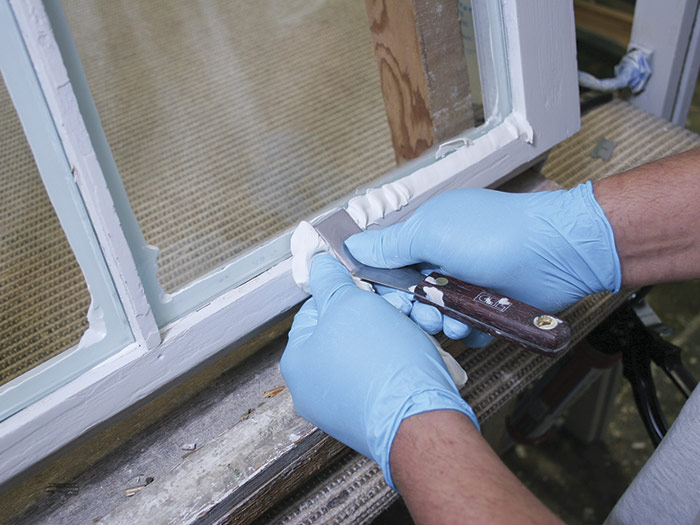
Advantages of Professional Window Installation
Choosing to work with a professional window installation service can yield numerous advantages:
- Expertise and Experience: Professionals bring skills and understanding that make sure windows are installed correctly the very first time.
- Energy Efficiency: Proper installation can enhance insulation and prevent air leaks, leading to decreased energy costs.
- Security: Handling heavy products and using tools can be hazardous. Specialists make sure that the installation procedure is safe.
- Guarantee Protection: Many producers need professional installation to maintain the service warranty on windows.
- Aesthetic Appeal: Correct installation enhances curb appeal, as windows that are inadequately installed can look misaligned and unattractive.
| Benefits | Information |
|---|---|
| Knowledge and Experience | Certified workers manage installations efficiently and precisely. |
| Energy Efficiency | Well-installed windows minimize heat loss and lower heating/cooling expenses. |
| Security | Professional teams mitigate threats connected with heavy lifting and tools. |
| Guarantee Protection | Maintains guarantee compliance for prospective replacements or repairs. |
| Visual Appeal | Makes sure windows are properly aligned, enhancing general home look. |
Kinds Of Window Installation Methods
There are numerous techniques for setting up windows, each ideal for various circumstances:
-
Full Frame Installation: This approach involves eliminating the whole window system, consisting of the frame, and changing it with a brand-new window. This is perfect for homes with extensive concerns around the window area, such as rot or decay.
-
Retrofit Installation: Known as insert installation, this approach changes the window while leaving the existing frame intact. It’s a popular option when the existing frame is in great condition, reducing expenses.
-
Window Replacement: This involves getting rid of the old glazing system and changing it with a brand-new one. It’s efficient for single and double-hung windows that still have their frames intact but require new glass.
-
New Construction Installation: Used mostly for brand-new buildings, this method involves building-in the windows as part of the general structure, guaranteeing a tight seal and appropriate fit right from the start.
| Installation Method | Ideal Use Cases |
|---|---|
| Complete Frame Installation | Considerable damage or rot around the window frame. |
| Retrofit Installation | Great existing frames requiring brand-new windows. |
| Window Replacement | Older windows needing new glass however sound frames. |
| New Construction Installation | New homes or buildings where windows are set up throughout building. |
Actions for Successful Window Installation
An effective window installation requires cautious preparation and execution. Below is a detailed guide that lays out the crucial stages.
Preparation Phase
- Select Your Windows: Select windows suitable for your environment and budget plan. Think about energy-efficient models which can conserve long-lasting costs.
- Step the Opening: Accurately determine the width and height of the existing window. It’s necessary to get precise measurements to prevent installation concerns later on.
Installation Phase
- Remove Old Windows: Carefully get rid of the existing window. For full-frame installations, secure the frame and any surrounding devices.
- Inspect the Rough Opening: Check for any damage to the structure that requires repair before inserting the brand-new window.
- Install New Window: Place the brand-new window into the rough opening, ensuring it is level and plumb. Protect it in place with shims.
- Seal and Insulate: Add insulation around the window frame, and apply caulking or foam sealant to prevent air leakages.
- End up with Trim: After the window is securely set up, location exterior and interior trim to finish the look.
Post-Installation Phase
- Clean the Area: Clean up any particles or packaging products from the installation site.
- Examine Operation: Ensure that the window opens and closes smoothly.
- Final Inspection: Inspect for any spaces or fractures that require sealing.
Maintenance Tips
- Routinely clean window tracks and frames to avoid buildup that might impede operation.
- Check caulking and seals annually to ensure they remain undamaged.
Common Challenges in Window Installation
While setting up windows can be a workable DIY project, numerous difficulties can arise, including:
- Improper Measurements: Incorrect measurements can cause gaps that compromise insulation.
- Structural Damages: Existing rot or damage can complicate the installation process.
- Climate condition: Installing windows throughout severe weather condition can lead to issues, making July or August perfect installation months.
- Restricted Experience: Inexperience can lead to badly set up windows that may impact house insulation adversely.
Frequently Asked Questions About Window Installation
Q: How long does it take to set up brand-new windows?A: On average, a professional installation group can install a standard-sized window in about 30 to 45 minutes. More extensive installations, such as complete frame, might take longer.
Q: How typically should windows be changed?A: On average, windows need to be checked every 20 to 25 years. Nevertheless, this can differ based upon window quality, upkeep, and external ecological conditions.
Q: Can I install windows myself?A: While experienced DIYers may install windows themselves, it is typically advised to work with specialists to guarantee proper installation and guarantee protection.
Q: What are energy-efficient windows?A: Energy-efficient windows are designed to decrease heat loss and enhance insulation. They generally have low-emissivity (Low-E) coatings and argon gas fills between glass panes.
Purchasing quality window installation can significantly enhance the convenience, performance, and looks of a residential or commercial property. Whether selecting a DIY approach or working with specialists, understanding the installation process and its challenges is important for success. By following the outlined steps and thinking about professional assistance when necessary, property owners can delight in the many advantages that come with well-installed windows.
