

5 Killer Quora Answers To Adjustable Walker
Understanding Adjustable Walkers: A Comprehensive Guide
Adjustable walkers are important mobility aids created to provide stability and support to individuals with mobility challenges. They boost independence, safety, and self-confidence for people recuperating from surgery, dealing with persistent conditions, or dealing with age-related mobility issues. This short article looks into the features, types, benefits, and common FAQs connected to adjustable walkers, providing insights for potential users and caregivers.
What is an Adjustable Walker?
An adjustable walker is a mobility aid that usually includes a lightweight frame with 4 legs, equipped with handgrips for assistance. It can be adapted to accommodate different heights, guaranteeing users achieve a comfortable wrist position while supporting their weight. Adjustable walkers been available in different styles, each tailored to specific needs.
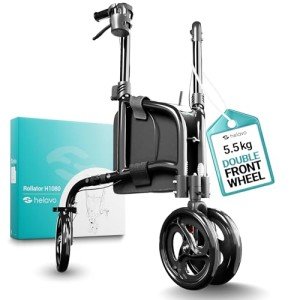
Secret Features of Adjustable Walkers
- Height Adjustment: Most adjustable walkers have telescoping legs, allowing users to easily modify the height to suit their stature.
- Weight Capacity: Different models accommodate varying weight limits, accommodating a broad group.
- Foldability: Many walkers are collapsible, making them simple to shop and transport.
- Wheels vs. No Wheels: Some walkers include wheels on the front legs, while others have a basic style without wheels, promoting stability.
- Additional Accessories: Walkers can frequently be equipped with trays, baskets, or cup holders for included benefit.
| Feature | Description |
|---|---|
| Height Adjustment | Telescoping legs for personalized height settings |
| Weight Capacity | Differs by design, supporting various body weights |
| Foldability | Collapsible style for easy transport and storage |
| Wheels | Offered in both wheeled and non-wheeled options |
| Additional Accessories | Trays, baskets, and cup holders for user benefit |
Kinds Of Adjustable Walkers
- Requirement Walkers: Traditional designs with 4 legs. Best for those looking for optimum stability.
- Wheeled Walkers (Rollators): Walkers with two or more wheels, enabling much easier maneuvering.
- Hemi Walkers: Designed for people with using one hand, featuring a single arm assistance for added stability.
- Baby Walkers: Specifically designed for babies finding out to walk, promoting safety and support throughout early mobility.
Benefits of Using Adjustable Walkers
Increase Independence
- Improved Mobility: Adjustable walkers allow users to browse their environments with more ease and confidence, promoting a sense of self-reliance.
- Ease of access: With the right walker, users can keep their way of life and participate in activities they enjoy without assistance.
Injury Prevention
- Stability and Support: Walker users can keep better balance and prevent falls, which are especially vital for seniors and individuals recuperating from surgical treatment.
- Minimized Strain: Proper use of a walker can reduce stress on joints and muscles, lessening the risk of injury during mobility.
Convenience and Customization
- Adjustable Settings: Walkers can be tailored to each user’s height and convenience, offering a more personalized experience.
- Additional Features: Options for accessories help in accommodating personal requirements, making it possible for users to carry products while moving.
Costs and Considerations
The rate of adjustable walkers varies depending upon functions, products, and brand name. Here’s a summary of the average costs related to various types:
| Walker Type | Average Cost |
|---|---|
| Standard Walkers | ₤ 50 – ₤ 100 |
| Wheeled Walkers | ₤ 75 – ₤ 200 |
| Hemi Walkers | ₤ 60 – ₤ 150 |
| Baby Walkers | ₤ 30 – ₤ 70 |
Often Asked Questions (FAQs)
1. How do I know which adjustable walker is right for me?
The best adjustable walker depends upon your specific needs, physical condition, and environment. It’s important to consult a healthcare expert to figure out the most appropriate type.
2. Can I change the height of any walker?
Many adjustable walkers feature a height-adjustment system. However, not all walkers are adjustable. It’s crucial to examine product specs before purchasing.
3. Are wheeled walkers safe to use?
Yes, wheeled walkers (or rollators) are safe for users who can navigate them properly. They often consist of brakes for added safety when fixed.
4. How do I look after my adjustable walker?
Regular care involves cleaning the walker with moderate soap and water, inspecting for wear on grips and wheels, and ensuring systems operate smoothly.
5. Can I take my adjustable walker on public transportation?
Yes, lots of adjustable walkers are foldable and created for easy transportation. Nevertheless, it’s a good idea to examine the particular guidelines of the transport service.
6. Do I need support to use an adjustable walker?
Many users can run adjustable walkers separately, specifically when correctly fitted to their height. Nevertheless, those with serious mobility issues may benefit from help.
Adjustable walkers are important tools for improving mobility, independence, and safety. With a variety of designs and styles, people can discover a walker customized to their requirements. Caregivers and users alike should value the importance of speaking with healthcare professionals to make educated choices regarding mobility aids. Comprehending the functions, benefits, and considerations of adjustable walkers empowers individuals to keep an active lifestyle, enhancing their lifestyle regardless of mobility obstacles.
